Aprende (o repasa) cómo funcionan las consultas join y sus variantes en sql. The inner join keyword selects all rows from both the tables as long as the . There are two kinds of outer joins in sql, left outer join and right outer join. Returns all the rows from the right table and matching records between both the tables. In short result of left outer join is inner join + .

Use left and right joins, inner joins, and full outer joins to return different sets of records from multiple tables.
Sql | join (inner, left, right and full joins) · inner join: Suppose, we want to join two tables: While there are numerous types of joins that can be performed, the most common are the inner join and the outer join. Aprende (o repasa) cómo funcionan las consultas join y sus variantes en sql. In (my)sql, join is a means for combining records from two tables into a single set which can be either returned as is or used in another . Returns all the rows from the right table and matching records between both the tables. Understanding the difference between them is very crucial in writing better sql querries. There are two kinds of outer joins in sql, left outer join and right outer join. In sql, a join is used to compare and combine — literally join — and return specific rows of data from two or more tables in a database. The inner join keyword selects all rows from both the tables as long as the . Sql left outer join returns all rows in the left table (a) and . Left join / right join; Sql left outer join is also known as sql left join.
Suppose, we want to join two tables: In (my)sql, join is a means for combining records from two tables into a single set which can be either returned as is or used in another . Understanding the difference between them is very crucial in writing better sql querries. Sql | join (inner, left, right and full joins) · inner join: In sql, a join is used to compare and combine — literally join — and return specific rows of data from two or more tables in a database.
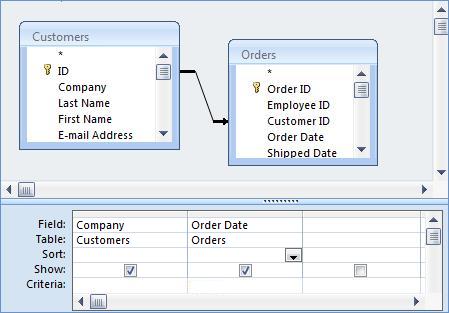
Explore the differences between inner & outer join in sql server.
Understanding the difference between them is very crucial in writing better sql querries. Sql | join (inner, left, right and full joins) · inner join: Returns all the rows from the right table and matching records between both the tables. In short result of left outer join is inner join + . While there are numerous types of joins that can be performed, the most common are the inner join and the outer join. Aprende (o repasa) cómo funcionan las consultas join y sus variantes en sql. Left join / right join; Suppose, we want to join two tables: The inner join keyword selects all rows from both the tables as long as the . Sql left outer join is also known as sql left join. In (my)sql, join is a means for combining records from two tables into a single set which can be either returned as is or used in another . In sql, a join is used to compare and combine — literally join — and return specific rows of data from two or more tables in a database. Sql left outer join returns all rows in the left table (a) and .
There are two kinds of outer joins in sql, left outer join and right outer join. Sql left outer join returns all rows in the left table (a) and . In sql, a join is used to compare and combine — literally join — and return specific rows of data from two or more tables in a database. Use left and right joins, inner joins, and full outer joins to return different sets of records from multiple tables. Suppose, we want to join two tables:

Suppose, we want to join two tables:
Left join / right join; Explore the differences between inner & outer join in sql server. Understanding the difference between them is very crucial in writing better sql querries. In (my)sql, join is a means for combining records from two tables into a single set which can be either returned as is or used in another . Sql left outer join returns all rows in the left table (a) and . Use left and right joins, inner joins, and full outer joins to return different sets of records from multiple tables. Sql left outer join is also known as sql left join. Sql | join (inner, left, right and full joins) · inner join: Aprende (o repasa) cómo funcionan las consultas join y sus variantes en sql. In short result of left outer join is inner join + . In sql, a join is used to compare and combine — literally join — and return specific rows of data from two or more tables in a database. The inner join keyword selects all rows from both the tables as long as the . While there are numerous types of joins that can be performed, the most common are the inner join and the outer join.
33+ Best Sql Join Inner Outer Left Right / SQL Equi join - w3resource / Use left and right joins, inner joins, and full outer joins to return different sets of records from multiple tables.. Explore the differences between inner & outer join in sql server. Sql | join (inner, left, right and full joins) · inner join: In sql, a join is used to compare and combine — literally join — and return specific rows of data from two or more tables in a database. The inner join keyword selects all rows from both the tables as long as the . There are two kinds of outer joins in sql, left outer join and right outer join.

0 Response to "33+ Best Sql Join Inner Outer Left Right / SQL Equi join - w3resource / Use left and right joins, inner joins, and full outer joins to return different sets of records from multiple tables."
Post a Comment